

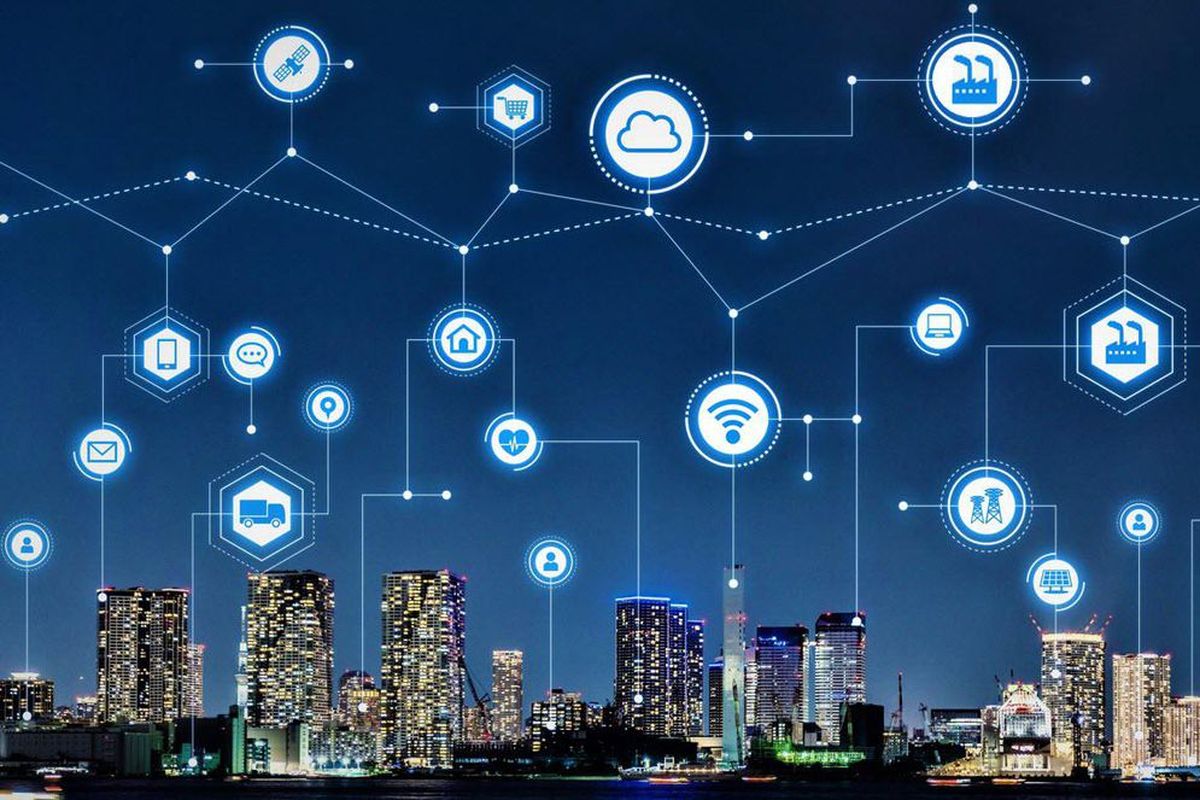
The way households consume connectivity has shifted significantly. What once functioned as a simple utility for occasional browsing has become the foundational infrastructure for modern home life. This progression unfolds over time, as a single connection evolves into a network supporting multiple users, high-definition streaming, remote professional tasks, and constant data synchronization across various smart devices.
Getting Started: Evaluating Your Household Connectivity Needs
The journey toward a stable and reliable home network typically begins with an honest assessment of how the household interacts with the digital world. Many residents find that as their collection of connected devices grows, the limitations of older or less robust connectivity options become increasingly apparent. When evaluating fiber internet in my area, the first step involves observing how data flows through the home.
Consider the typical daily traffic: is there a high demand for bandwidth during certain hours? Do multiple individuals require consistent speeds for video conferencing or data-intensive uploads? When a household recognizes these patterns, the transition toward a more advanced connection becomes a logical progression rather than a sudden necessity. It is common for residents to realize that their existing setup is not quite keeping pace with the demands of modern applications.
How Demands Change As Digital Habits Expand
As the weeks and months pass, the way a family uses the internet often matures. What might have started as basic email and browsing can expand into a lifestyle centered on cloud storage, high-definition video streaming, and interconnected home security systems. This change is subtle, often occurring as new devices are added or as software updates become larger and more frequent.
This is the stage where the quality of the connection starts to matter more. A connection that is prone to latency or fluctuations may begin to feel more restrictive. For those living in developments or complexes where bulk residential internet is provided, this often creates a unique situation. The infrastructure is shared, which means the management of that bandwidth becomes a collective interest. Residents often find that the stability of their connection depends on the quality of the infrastructure supporting their entire building or neighborhood.
Signs That Your Current Connection Requires Adjustment
Recognizing when an upgrade or a change in service is necessary involves paying attention to the performance of your daily tasks. Common signs of an overburdened or outdated connection include difficulty maintaining a steady video call, slow loading times for web pages, or buffered playback during media consumption. These are often indicators that the bandwidth or the underlying delivery method may not be aligning with current usage levels.
When residents in this region begin to notice these consistent performance dips, it is often a cue to explore local service availability. Investigating the options for fiber internet in my area can reveal a range of possibilities for higher stability and faster throughput. It is helpful to ask providers about the specific delivery method—such as whether the connection is delivered via light-based signals, which typically offers different performance characteristics compared to traditional copper-based infrastructure. Understanding the difference between these technologies can help in making an informed decision about the long-term reliability of your home service.
Sustaining Reliable Performance Over the Long Term
The final stage of this evolution is moving away from reactive troubleshooting and toward a sustainable connectivity strategy. This means not just choosing a faster package, but also considering the equipment that distributes that signal throughout the living space. Even the best bulk residential internet connection can be bottlenecked by an outdated router or improper positioning of networking hardware within the home.
To maintain consistent results, consider the physical environment. Walls, large appliances, and distance from the router can impact how a signal reaches various rooms. Many users find success by strategically placing wireless access points or utilizing wired connections for stationary devices like televisions and desktop computers. This creates a more balanced network that can handle the concurrent demands of all inhabitants.
Looking ahead, the goal is to create a digital environment that remains resilient even as new technologies emerge. By prioritizing a connection known for consistent data delivery—such as those utilizing advanced optical technologies—residents can ensure that their home network remains capable of supporting their activities for years to come. Staying informed about the evolving landscape of service providers and infrastructure improvements in your vicinity allows for a proactive approach, ensuring that your home remains well-connected without the need for constant, disruptive changes. This long-term perspective is perhaps the most effective way to ensure that your digital life remains productive, reliable, and entirely frustration-free.